
Reviewed · OLD SAN JUAN & THE OLD TOWN
San Juan: Ghosts and Spooky History Walking Tour
Ghost stories start the moment you reach Morro. This 2-hour walk through Old San Juan mixes UNESCO fort views with street-level folklore and big-scary legends. You’ll hit the major landmarks, hear the tales behind them, and leave with a much clearer sense of why this place feels haunted.
I love how this tour ties spooky claims to recognizable stops you can still point at afterward, like Teatro Tapia and the forts. I also like the story range, from pirate-era ghosts to Bermuda Triangle-style disappearances, so it never feels like one long, repetitive scare.
One drawback to plan for: it’s not a nonstop horror show. Expect a lot of history talk and exterior views, so if you want constant jumps and props, you might find it more eerie than scary.
In This Review
- Key Highlights You’ll Feel as You Walk
- Getting Oriented at Plaza Colón (and Why It Matters)
- Teatro Tapia and the Stories Old San Juan Loves to Tell
- The Little Stops That Add Texture: Raíces Fountain, Chapels, and More
- La Fortaleza and the Power-Behind-the-Stories Effect
- Catedral de San Juan Bautista: When Religion Becomes Legend
- El Convento Hotel: Haunted Rooms, Haunted Reputation
- Casa Blanca and Museo de las Americas: Walking Through Eras
- Fort Morro (Castillo San Felipe del Morro): UNESCO + Terror Talk
- Santa María Magdalena de Pazzi Cemetery: Where the Mood Changes
- Castillo de San Cristóbal and the Devil’s Sentry Box
- The Bermuda Triangle Story and Other Supernatural Threads
- What You’ll Actually Do for 2 Hours (and How to Enjoy It)
- Price and Value: What $54 Gets You
- Should You Book This San Juan Ghost Tour?
- FAQ
- Where is the tour meeting point?
- How long is the San Juan Ghosts and Spooky History Walking Tour?
- What does the tour cost?
- What’s included in the price?
- Does the tour include hotel pickup or drop-off?
- What language is the tour guide?
- Is the tour wheelchair accessible?
- What should I bring?
- Does the tour run in rain?
- How flexible is booking and cancellation?
Key Highlights You’ll Feel as You Walk
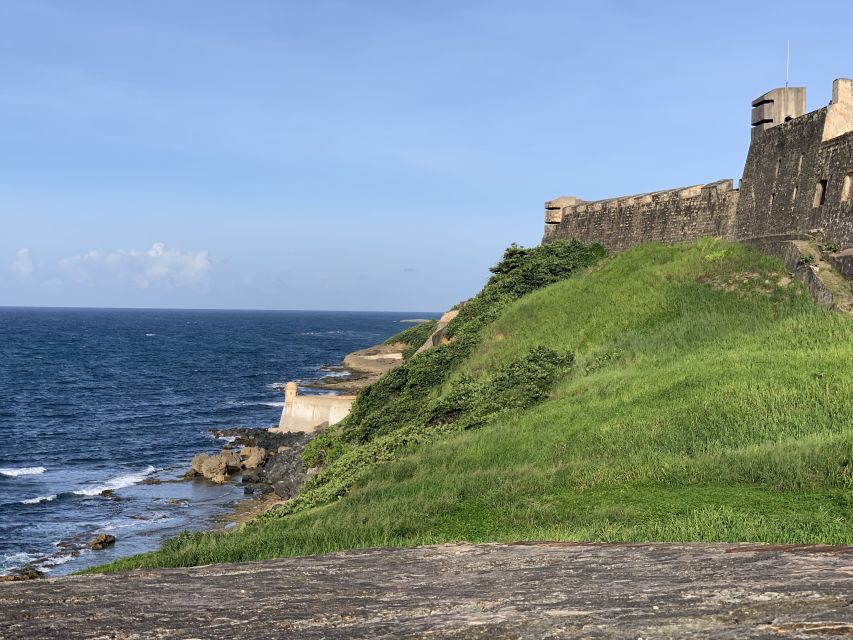
- Castillo San Felipe del Morro (Fort Morro) as a UNESCO stop, with ghostly interpretation of a real defensive landmark
- Teatro Tapia, tied to the story of an older working theater tradition and local haunting lore
- Devil’s Sentry Box stories connected to Castillo de San Cristóbal and the way fear traveled through military history
- El Convento Hotel hauntings, including the idea that some legends cling to specific rooms and corridors
- Cursed-stone and nurse-ghost talk, plus rumors like the Fountain of Youth and famous local supernatural figures
More cobblestone hours in Old San Juan
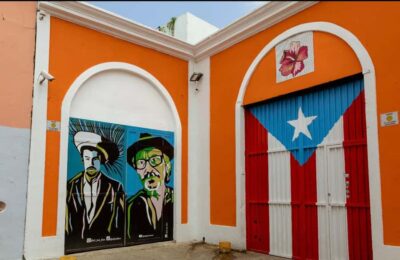
Getting Oriented at Plaza Colón (and Why It Matters)
Your tour meets at Plaza Colón, by the statue of Christopher Columbus. I like this start because it’s a clean, obvious reference point in Old San Juan, so you’re not scrambling to find the first landmark.
From the beginning, your guide frames what you’ll be seeing through stories that connect people, power, and fear. That’s the magic trick here: you don’t just look at buildings, you learn how the city’s different eras overlap—Spanish rule, fortification, and local legend—until the streets start to feel like a timeline.
The first stop is a quick photo and visit window, which is helpful. You get your bearings fast, then the tour becomes a guided walk from landmark to landmark rather than a long lecture in one place.
Teatro Tapia and the Stories Old San Juan Loves to Tell
One of the most interesting early stops is Teatro Tapia. You’ll pause for photos and learn why this theater shows up in ghost lore—because performance spaces often become memory machines. People gather there, so when stories of hauntings start, they tend to attach to the exact stage or stairway.
This stop also sets the tone for the tour’s style. Instead of random scary talk, the guide connects the spooky details to what the building represented for the city. That makes it easier to buy into the legend without feeling like you’re being asked to believe in total nonsense.
Plan for a bit of time at the theater area (it’s built into the schedule as a photo stop and short visit). You won’t be touring deep inside for long stretches, so look closely from where you stand. Even quick exterior time is enough when the guide is explaining what you should notice.
The Little Stops That Add Texture: Raíces Fountain, Chapels, and More
Between the big-ticket sights, the itinerary includes stops that many people rush past on their own. That’s where the walk gains personality.
You’ll make a photo stop at the Raíces Fountain, then continue to a chapel stop along the way (listed as the Chapel of Christ / Capilla del Danto Cristo de la Salud). Even if you’re not religious, chapels and fountains in Old San Juan often feel like story magnets. People remember vows, tragedies, and local devotions, and folklore uses those locations like reference points.
Other quick stops include Puerto Rico Tourism Company and La Fortaleza later on, both used as landmarks for orientation and context. The point isn’t that these are haunted because of what they are on paper. It’s that the guide uses them to map the city’s layers: who controlled it, how people moved through it, and where fear took root.
If you like walking tours that feel like you’re actually learning the town’s geography, these smaller pauses matter. They keep the tour from becoming only castles and cathedrals.
La Fortaleza and the Power-Behind-the-Stories Effect
La Fortaleza is one of those places that can look ordinary until you learn what it represented. It’s not just a building stop. It’s a political anchor, and the tour uses that authority to explain why supernatural stories often cluster around places tied to control and conflict.
This is where the tour’s blend works best. It doesn’t treat ghosts as separate from real history. It treats legend as a way people process the hard parts: wars, executions, betrayals, and sudden disappearances.
You’ll only have a photo stop and short visit window here, so don’t expect time to linger. Instead, use the moment to look for details you might otherwise miss. For example, notice how the area’s formality contrasts with the narrow streets nearby. That contrast is often where the guide’s explanation lands.
A few more ways to fill a day in San Juan Puerto Rico:
- San Juan: Casa Bacardi Distillery Tour★ 4.7 · 1,363 reviews
- Old San Juan: San Cristobal Castle and Old Town Walking Tour★ 4.7 · 27 reviews
- San Juan: Bacardi Rum Distillery and Old San Juan Combo Tour★ 4.5 · 27 reviews
- From San Juan: Full-Day Cultural Road Trip to Ponce★ 4.7 · 27 reviews
Catedral de San Juan Bautista: When Religion Becomes Legend
Next up is the Cathedral of San Juan Bautista. The tour’s storytelling here leans into the kind of mystery that keeps attracting believers and skeptics alike: the guide references claims tied to the city’s sacred traditions and even stories that connect biblical fragments to the cathedral.
What I like about including a cathedral in a spooky tour is that it gives the legends a framework. Fear isn’t only about monsters. It’s also about guilt, faith, death, and uncertainty—human stuff that turns into myth.
This stop is brief, so you’ll want to focus your attention rather than chase every detail at once. If you’re the type who likes to read the plaques and inscriptions slowly, you might feel time is short. But if you’re happy listening and then doing your own follow-up later, you’ll get value.
El Convento Hotel: Haunted Rooms, Haunted Reputation
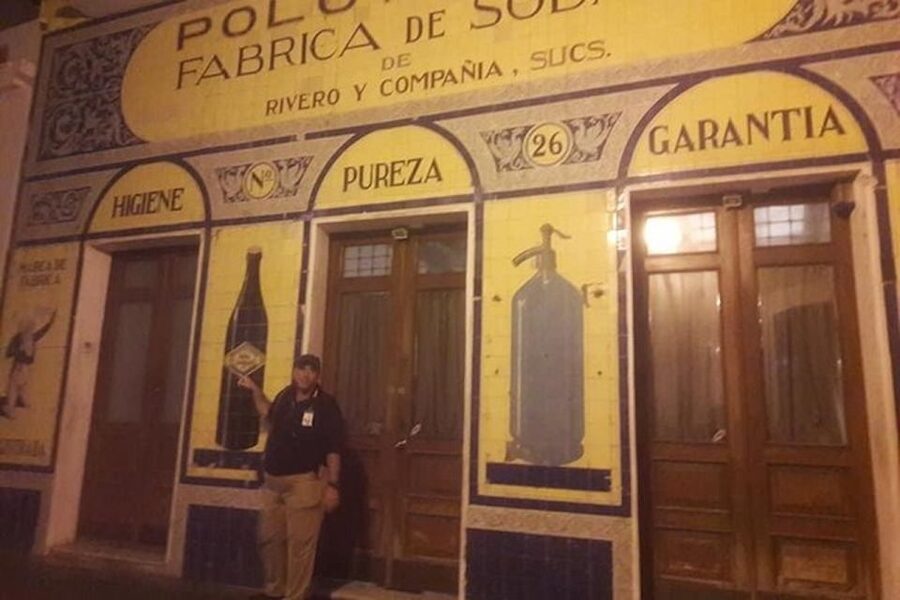
One of the most famous stops on the walk is Hotel El Convento. The tour connects the location with long-running haunting stories. I like this stop because it shows how hauntings can become part of a place’s identity, even when the building has a modern life.
There’s also a practical side. Hotels are easy to recognize and easy to remember, so when a guide references a specific legend tied to the property, you’re not trying to imagine a random “haunted” spot. You can see the building. That makes the stories stick.
The tour gives it a longer photo/visit window compared with some other stops, which helps. Use the time to look around the exterior and think about how a building becomes a stage for rumors—people pass through, events happen, and then stories grow.
Casa Blanca and Museo de las Americas: Walking Through Eras
You’ll also stop at Casa Blanca, plus Museo de las Americas. These aren’t just filler stops. They help explain how San Juan holds onto both everyday life and institutional memory.
Casa Blanca is included as a recognizable historic structure, and the walk uses it to connect the city’s residential and official past. Meanwhile, the museum stop gives a hint that you can keep going beyond the ghost stories once the tour ends.
Because the itinerary lists these as photo stops with short visits, don’t plan on museum time. Instead, treat them as a preview. If any part of the storytelling makes you want more, this is your cue to come back on another day.
Fort Morro (Castillo San Felipe del Morro): UNESCO + Terror Talk
The big fort moment is Fort Morro, listed as Castillo San Felipe del Morro. This is a UNESCO World Heritage Site, and that designation matters. It’s one thing to hear a ghost story; it’s another to stand in a place built to withstand siege and time.
The tour’s spooky approach fits naturally here. Forts were built to watch, guard, and control. When people are forced into waiting, defending, and surviving harsh conditions, stories of fear tend to follow those walls.
You’ll have a photo stop and a longer visit window at the fort area. That means you can take in viewpoints without feeling like the guide is racing ahead.
Practical tip: forts can be windy and uneven. Even on a short tour, comfortable shoes matter a lot. You’ll want steady footing.
Santa María Magdalena de Pazzi Cemetery: Where the Mood Changes
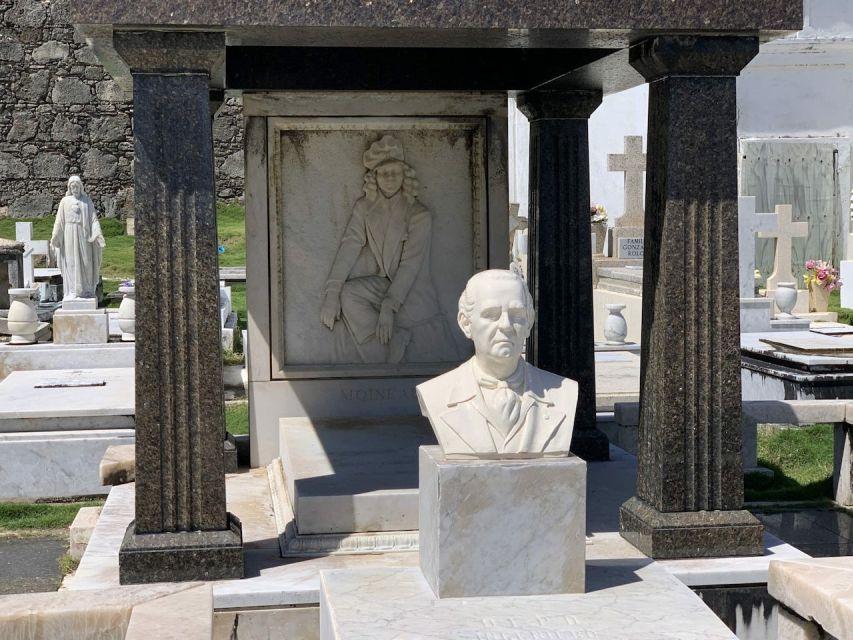
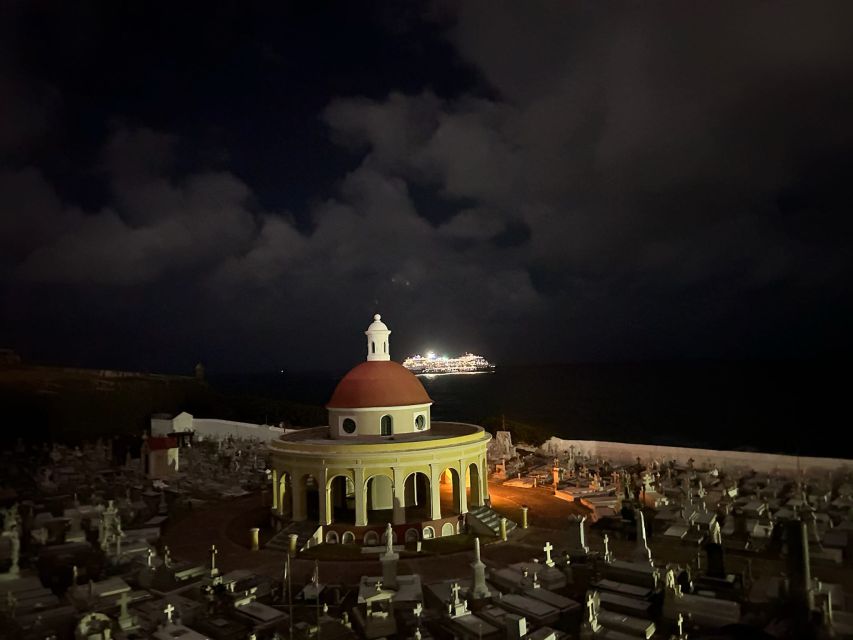
The walk includes Cementerio Santo Maria Magdalena de Pazzi. A cemetery changes the entire tone of a tour like this, and it works well here.
I like that the itinerary doesn’t keep everything “in the dramatic zones.” It includes a space where death and memory are part of the visible landscape. That makes the ghost lore feel less like entertainment and more like local storytelling around mortality.
Expect a photo stop and a short visit window. Don’t try to cram in extra exploration beyond what your guide covers unless you’re sure you have time. A thoughtful cemetery stop is better than a rushed one.
Castillo de San Cristóbal and the Devil’s Sentry Box
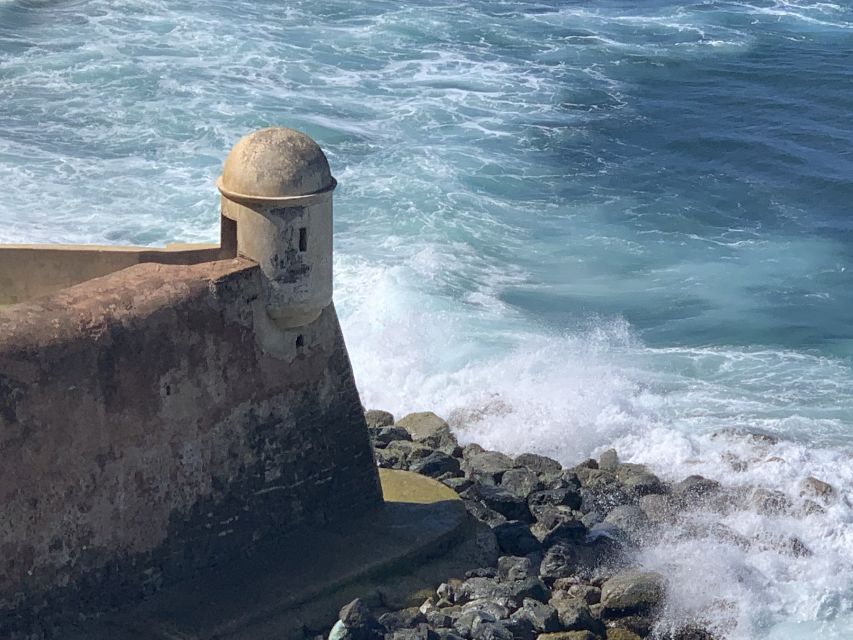
The other major fortress stop is Castillo de San Cristóbal, with the tour’s highlight story of the Devil’s Sentry Box. This is the kind of legend that shows up when military routines meet fear and mystery.
What makes this stop work is the contrast between engineering and folklore. A fortress is about logic and defense. A sentry box legend is about the unknown—what gets heard, what gets seen, and what people decide must be supernatural.
You’ll get a photo stop and visit window here as well, so you’ll have enough time for the key viewpoints. Use that time to look for how the fort’s layout controls visibility and movement. When you understand the stonework, the legend feels more plausible—whether or not you believe it.
The Bermuda Triangle Story and Other Supernatural Threads
Along the way, the tour includes a wide web of supernatural claims. One thread involves the disappearance of José Maldonado Torres, tied to a Bermuda Triangle-style mystery stretching across the Atlantic and into San Juan.
You’ll also hear mention of famous supernatural characters and themes from Puerto Rican folklore, including the Chupacabra and the Vampire of Moca. Plus there’s talk of cursed stones, ghostly nurses, and the Fountain of Youth legend connected to explorers and myths of immortality.
I like having multiple threads because it reflects how real folklore spreads. It’s not one clean narrative. It’s a set of stories that get retold by different people, in different moods, over long periods.
If you’re the type who worries about believing every claim, you don’t need to. Treat the stories as cultural history—what people feared, what people hoped for, and how they explained the parts of life they couldn’t control.
What You’ll Actually Do for 2 Hours (and How to Enjoy It)
This is a 2-hour walking tour. That matters because it’s long enough to connect places, but short enough that you’ll still enjoy the walk without turning the evening into a marathon.
The itinerary is structured with repeated quick photo stops plus short visits at major landmarks. That means you should plan to listen closely, not to linger at everything. If you’re the slow-reading type, you’ll still enjoy it, but you might want to leave time later to revisit your favorite stop.
The walk runs rain or shine, so pack for weather. Wear comfortable shoes and weather-appropriate clothing. Old San Juan streets can be uneven, and you’re on your feet more than you think when you see the map.
Also, English is the live tour language, so you won’t be guessing what’s going on. If you’re visiting with friends, you’ll probably like having all the story threads explained out loud rather than trying to piece them together from signs.
Price and Value: What $54 Gets You
At $54 per person for 2 hours, you’re not paying for a long bus ride or a full-day ticket bundle. You’re paying for a guide and a structured walk that stitches together iconic sights and local legends.
That’s good value if you like stories that help you connect the dots. Castillo Forts, a theater stop, an old hotel, and a cemetery in one loop would take time to research on your own. Here, someone’s doing the linking for you, and you can spend your energy just looking and learning.
One thing to keep in mind: the tour includes the walking guide, but the details on site admissions are not listed. If you’re planning to go inside museums or pay for fort access on your own, you might still want to budget extra depending on what’s open and what you choose to do after the tour.
Should You Book This San Juan Ghost Tour?
Book it if you want Old San Juan to feel like a living story. This tour is best for people who enjoy history flavored with folklore and who like learning the city’s layout by foot.
Skip it if you’re chasing pure scares. This walk leans more into interpretation than into staged fright. It’s also a good fit for first-day orientation, especially if you want to walk the area again later with a stronger sense of what you’re seeing.
FAQ
Where is the tour meeting point?
Meet at Plaza Colón by the statue of Christopher Columbus.
How long is the San Juan Ghosts and Spooky History Walking Tour?
It lasts 2 hours.
What does the tour cost?
The price is $54 per person.
What’s included in the price?
The tour includes a tour guide and the walking tour.
Does the tour include hotel pickup or drop-off?
No. Hotel pickup and drop-off are not included.
What language is the tour guide?
The live tour guide speaks English.
Is the tour wheelchair accessible?
Yes, it’s listed as wheelchair accessible.
What should I bring?
Bring comfortable shoes and weather-appropriate clothing.
Does the tour run in rain?
Yes. It takes place rain or shine.
How flexible is booking and cancellation?
It offers free cancellation up to 24 hours in advance for a full refund, and it’s reserve now & pay later.
More of Old San Juan



More Tour Reviews in San Juan Puerto Rico

Freshly reviewed San Juan Puerto Rico tours

Old San Juan & the Old Town, compared.
 ★ 4.5Night Kayak – Condado City Lights TourFrom $754,807 reviews
 ★ 5.0Old San Juan Walking TourFrom $392,211 reviews
 ★ 5.0Old San Juan City Walking TourFrom $391,718 reviews
 ★ 4.7Old Town Sunset Walking TourFrom $39636 reviews
 ★ 4.5Old San Juan: Segway PT and Segway Xafari Ebike ToursFrom $108634 reviews
 ★ 5.0Historic Old San Juan Sunset Walking TourFrom $39634 reviews
 ★ 4.5Old San Juan Bar Crawl: Experience Local HotspotsFrom $65574 reviews
 ★ 5.0Savor the Sunset: Old San Juan Walking Food TourFrom $179559 reviews
Browse the lists this tour appears in