
Reviewed · BIOLUMINESCENT BAY KAYAKS
Bioluminescent Bay Night Kayaking Adventure in Puerto Rico
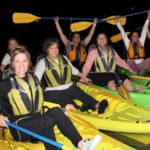
Fajardo does magic at night, and it looks like science fiction. This bioluminescent bay kayak trip takes you into the protected Las Cabezas de San Juan Nature Reserve, where every paddle stroke can trigger a glow from microscopic plankton. I like that it’s beginner-friendly with clear coaching (no prior kayaking required) and that the crew uses tarp timing to block moonlight when possible.
Here’s the only real catch: bioluminescence is natural and unpredictable. Some nights it’s brilliant; other nights you may get mostly subtle sparks, plus you’ll be sharing the water with other tour groups during busy periods.
In This Review
- Key Things to Know Before You Go
- Why Fajardo’s Bioluminescent Bay Trip Feels Like a Once-in-a-Trip
- Getting From Kayak Village to the Mangroves (And Why It Matters)
- Paddling the Mangrove Canal Route at Night
- Laguna Grande: Where the Glow Show Actually Happens
- The Tarp Trick: Why Darkness Isn’t Optional
- Guides and Beginner Confidence: What You’re Really Paying For
- How Long You’ll Be Out There (And What to Plan Around)
- Price and Value: Is $80 Worth the Bioluminescence Gamble?
- Comfort Checklist: Clothes, Bugs, and Wet-Water Reality
- Who Should Book This Night Kayak Tour (And Who Should Rethink It)
- Should You Book This Bioluminescent Bay Kayaking Adventure in Fajardo?
- FAQ
- How long is the bioluminescent bay kayaking tour?
- Where does the tour start?
- Do I need prior kayaking experience?
- What age limits and child rules apply?
- Who can’t participate due to health restrictions?
- What happens if the bioluminescence is faint?
Key Things to Know Before You Go
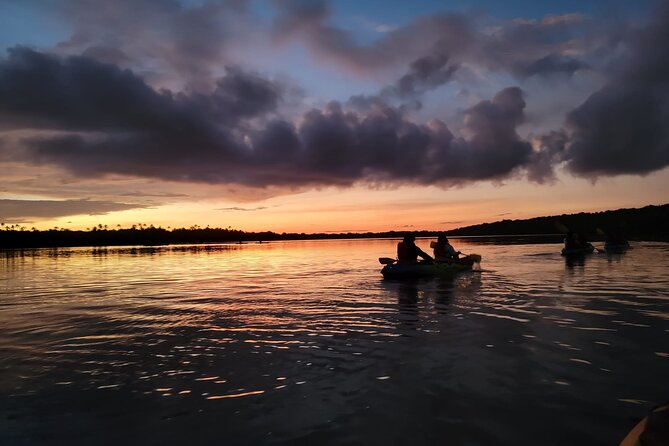
- Laguna Grande is the point: you paddle mangrove channels at night and reach the lagoon where the glow happens.
- Guides help you spot the effect: they may lower light levels with a tarp so plankton glow is easier to see.
- Beginner-friendly coaching: you don’t need kayak experience, and instructors focus on comfort and steering confidence.
- You’ll be in water, not just on it: launching often means wet clothes from the waist down and possibly water shoes/wading.
- Brightness varies by conditions: moonlight, tides, rainfall, drifting algae, sediment, and water temperature can all affect visibility.
- Group size can shape your vibe: max group is 30 travelers, and the reserve can feel crowded when multiple companies paddle at once.
Chase the glow on another bio bay night
Why Fajardo’s Bioluminescent Bay Trip Feels Like a Once-in-a-Trip
You’re in Puerto Rico, sure—but you’re also in one of those rare natural spectacles that’s hard to recreate anywhere else. The setup is simple: you start in the mangrove channels around Fajardo, paddle at night, and head into Laguna Grande, part of the Las Cabezas de San Juan Nature Reserve. Then the water’s glow shows up when microscopic plankton react to movement.
The value of this experience is that it’s not just pretty. It’s procedural. You’ll learn what you’re seeing (plankton, not magic lights), why it glows, and how to change your paddling style so the effect is easier to notice. And the crew’s job isn’t just safety—it’s making sure you actually get to the glowing part and understand how to look for it.
The other thing I love is how much you get besides the glow. Even on nights when the bioluminescence is faint, the mangrove route gives you a calm, starry atmosphere that feels like a different world than the beaches. If you’re expecting a constant neon-blue show, you may be disappointed. But if you’re open to the real deal—subtle, shifting, nature-on-its-own-terms—you’ll probably be thrilled.
Getting From Kayak Village to the Mangroves (And Why It Matters)
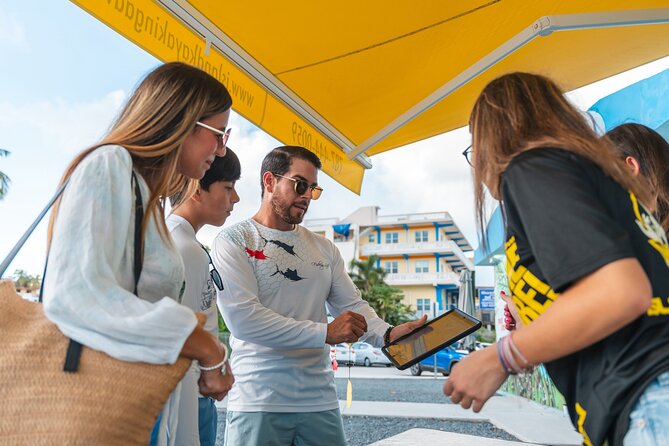
Your trip starts at Kayak Village on Street 987 in Fajardo, and it ends back at the same meeting point. Before you push off, you’ll get a check-in process and a safety briefing. This matters because night kayaking changes everything: visibility is low, steering feels different, and you’re in a narrow mangrove channel where spacing is part of the game.
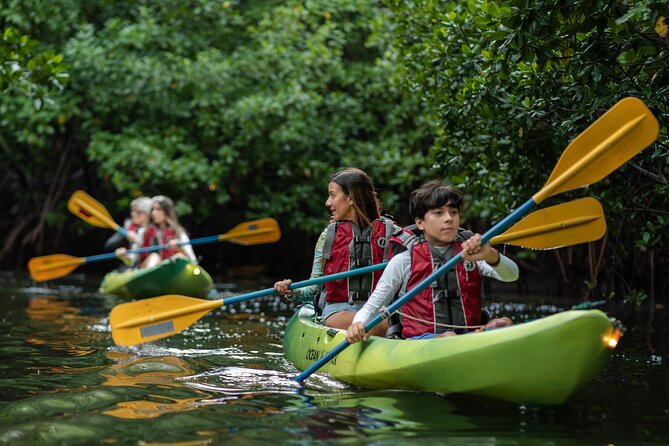
Most people do this as a first-time kayak outing. The guides are trained to help with basics like holding a steady paddle rhythm and making small steering corrections. If you’re nervous, that coaching is a big deal. The mangrove channels are winding, so your “I can do this” moment tends to happen early—after you get a feel for how the kayak responds when you paddle slower and more deliberately.
One practical reality: expect to get wet. You may need to wade waist-deep to launch and get positioned. That’s why I recommend bringing water shoes and packing a change of clothes. It’s not optional in spirit—even if you’re careful, water finds the seams.
Paddling the Mangrove Canal Route at Night
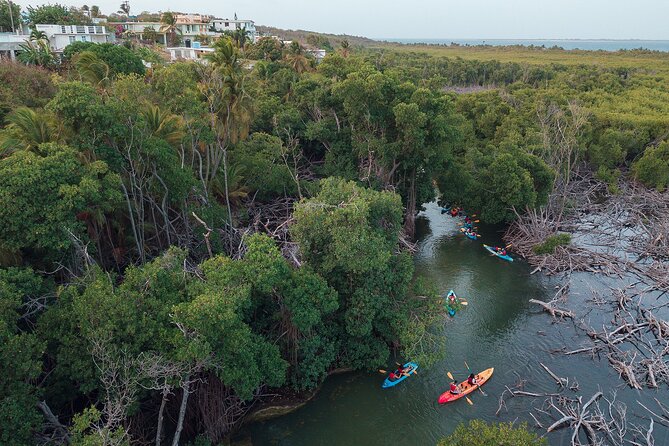
Once you’re underway, the mangroves do the work. They funnel you through narrow channels and make the night feel close and quiet, like you’re moving inside a living maze. This is also the phase where your guide’s instructions have the biggest impact. Dark water means you rely on the crew for timing and positioning, and it helps when the group stays calm and coordinated.
You’ll likely follow a route designed to get you to the lagoon’s glow zone efficiently. The guides also share information about the ecosystem—mangroves, local animals, and Puerto Rico facts. That “I didn’t know that” factor is real. The trip doesn’t just point at nature; it explains what you’re passing through and why these areas are protected.
Also, keep expectations realistic about what you’ll see. Some nights you’ll spot clear spark-like glow each time you stir the water. Other nights it’s more subtle—like faint light trails rather than dramatic blue clouds. Night kayaking is still worth it for the setting, but you’ll enjoy it more if you treat the bioluminescence as a variable bonus.
Laguna Grande: Where the Glow Show Actually Happens
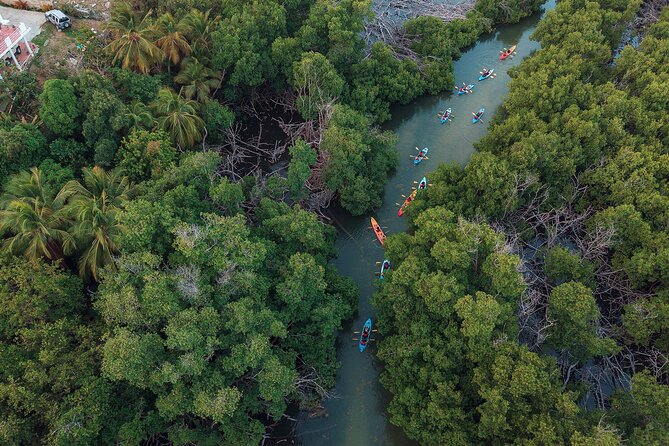
The highlight is reaching Laguna Grande and doing that slow, careful paddle through the glowing waters. This is in the Las Cabezas de San Juan Nature Reserve, so you’re not just sightseeing—you’re experiencing a protected coastal system from a vantage point you can’t reach on foot.
Once you’re in the lagoon, the key is agitation. When you gently disturb the water with your kayak movement, microscopic plankton can light up. You’re not trying to splash. You’re trying to paddle and stir in a way that gives the bioluminescence a chance to show. That’s where guide coaching helps: they can steer you toward the right pace and the right moments to look closely.
This is also where conditions can make or break the show. You might see bright activity, or you might get very mild glow—tiny sparks rather than a full electric-blue scene. Based on the tour’s own explanations, factors like moonlight, drifting algae such as sargassum, sedimentation, tides, recent rainfall, and even water temperature can change how strong the glow appears.
Even if the glow isn’t at peak, the experience still feels magical. The lagoon atmosphere plus the sense that the lights are responding to your movement is the point. The glow can be faint and still be memorable.
More Fajardo after the sun drops
- Puerto Rico Sunset Magic: Bio Bay Kayaking Tour from Fajardo★ 5.0 · 199 reviews
- Bio Bay Night Kayaking | Laguna Grande, Fajardo★ 4.5 · 105 reviews
- Bio Bay Night Kayak Tour in Fajardo★ 4.0 · 46 reviews
- Bioluminescent Bay Night Kayaking, Fajardo★ 4.0 · 45 reviews
The Tarp Trick: Why Darkness Isn’t Optional
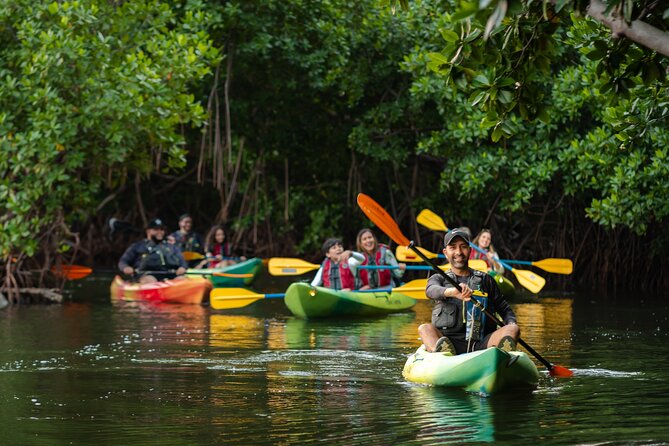
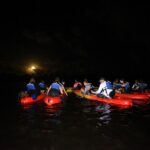
One thing that consistently shows up in positive experiences is the use of tarps to block light. Bioluminescence can be hard to see if there’s any extra illumination. So on many nights, guides lower light levels by covering parts (or all) of the group while you’re in the glow zone.
If you’re hoping for the clearest effect, listen when they explain what they’re doing and follow their timing. The tarp moment is usually short, and it’s designed to give your eyes a better chance to catch the plankton glow. This is especially helpful for people who find themselves searching for a “blue sky” effect that doesn’t match reality.
That said, tarp use is not a guarantee of brightness. If the lagoon conditions aren’t ideal, even a covered setup may still produce only sparks. I’d treat the tarp as improving your chances—not a switch that turns the lagoon into a nightclub.
One more note for your comfort: you might notice tarps can have odors (for example, a mildew smell was mentioned by one visitor). If that would bother you, bring along a backup layer you’re comfortable sitting in and let your guide know right away if something seems off.
Guides and Beginner Confidence: What You’re Really Paying For
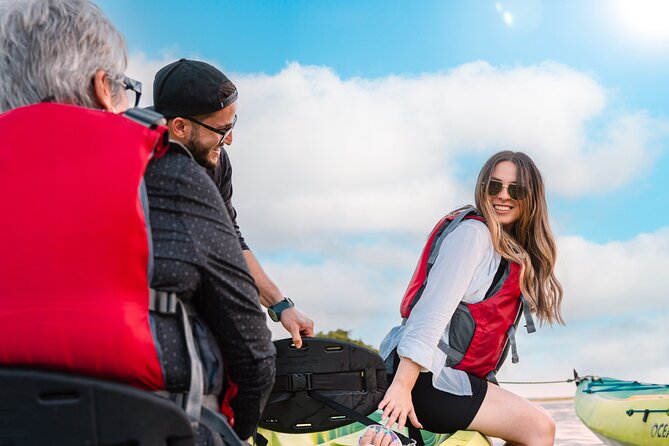
At $80 per person, you’re not just paying for a kayak. You’re paying for risk management, nighttime instruction, and local ecosystem know-how. The best part is that the guides aren’t passive. They actively help you steer, adjust, and feel calm in the dark.
Guide names that come up often include Pedro, along with crews like Gary, Abel, Jesus, Victor, Joseph, and Bellamy. If one guide is assigned to your group, great—that’s a sign you’ll get clear instructions and a more confident start. Many trips also emphasize humor, which helps when you’re trying to relax while coordinating paddles in the dark.
You’ll want to pay attention to spacing rules and how they manage the group. Some groups can be chaotic on busy nights, and when that happens it can disrupt everyone’s timing. A well-run tour still keeps you safe and moving in the right direction. A crowded night can reduce how peaceful it feels, even if the guides do their best.
If you’re a first-timer, you’ll likely appreciate how much structure you’re given. You won’t be left to figure it out alone.
How Long You’ll Be Out There (And What to Plan Around)
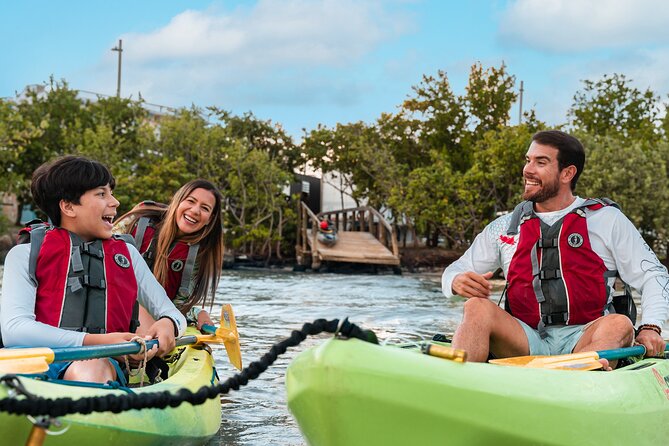
The tour runs about 1 hour 30 minutes (approx.), with the bulk of the time centered around reaching and exploring Laguna Grande at night. You’ll also have time for check-in and the safety talk, plus paddling back to shore afterward.
At the end, you’ll return and there are snacks waiting. That small detail is practical: night tours can make you hungry, and snacks help you reset before heading out again.
If you’re choosing between departure times and you have options, a slot that includes some sunset transitioning into darkness can be ideal. On earlier-evening departures, you may get a more gradual experience—mangroves in twilight, then the darker moments when bioluminescence becomes easier to notice. (A 6:30-style timing was mentioned as especially nice for this reason.)
Price and Value: Is $80 Worth the Bioluminescence Gamble?
Here’s the honest value check: you’re paying for a guided nighttime kayak into a protected lagoon system, plus instruction and local interpretation. What you can’t buy is a guaranteed lighting level. Bioluminescence depends on natural conditions, and the tour itself stresses that visibility varies.
So whether it’s worth it depends on what you’re chasing:
- If you want the most reliable “blue glow” show, nothing outdoors is reliable. You may still have a fantastic time, but the lagoon might be subtle that night.
- If you want a guided night kayak route to a place you can’t reach on foot, and you’re excited by ecology + night sky + occasional glow bursts, this is a strong buy.
You also get value from the ecosystem access. Lagoon Grande isn’t something you just walk to. Kayaking is the ticket, and the guides help you reach it and experience it in a safe, structured way.
At $80, I think it’s fair for most people who understand it’s a living system with an unpredictable light performance. If you’re very sensitive to crowds, or you’re only in it for a guaranteed “picture-perfect” glow, consider that this kind of natural experience is always a little bit of a lottery.
Comfort Checklist: Clothes, Bugs, and Wet-Water Reality
Do not show up in your favorite dry outfit. One of the most repeated practical tips is to bring a change of clothes and shoes that can get wet.
Expect:
- Wet launch and wading, possibly from the waist down
- A recommendation to wear water-friendly footwear
- Bugs, especially in mangrove settings
The tour provides bug spray, and you should use it. Still, it’s smart to come with your own repellent if you’re bug-magnet prone.
If you tend to get cold in the evening, bring a light layer you don’t mind getting damp. The tarp moments also mean you’ll be sitting still for a short stretch in covered conditions, so comfort matters.
Who Should Book This Night Kayak Tour (And Who Should Rethink It)
This is a great fit if you’re:
- A beginner or returning kayaker who wants coaching
- Someone who likes nature at night—stars, quiet channels, and learning as you go
- A bioluminescence fan who’s okay with variability
It’s less ideal if:
- You need bright glow as a strict requirement (because it can be faint some nights)
- You’re easily bothered by crowds or noise on busy outings
- You’re not comfortable paddling and coordinating in the dark
Health and age rules are clear. The tour isn’t allowed for children under 6. Pregnant guests, people with casts, heart conditions, neck/back issues, epilepsy, or dizziness aren’t allowed either. There’s also a weight limit of 225 lb (102 kg), and checks happen before boarding.
If you’re bringing kids, know the support rules: ages 6-14 must be accompanied by an adult in a tandem kayak. Ages 15-17 must be accompanied by an adult on the tour. That affects planning, but it also keeps the experience safer and more manageable.
Should You Book This Bioluminescent Bay Kayaking Adventure in Fajardo?
If you want a guided night paddle into mangroves and a real shot at glowing plankton in Laguna Grande, I’d book it. It’s one of those rare Puerto Rico experiences that mixes a protected natural setting with hands-on learning, and the coaching makes it approachable even if you’re new to kayaking.
Before you buy, set yourself up for success:
- Bring wet-ready clothes and water shoes.
- Use the bug spray.
- Expect bioluminescence to vary. Treat faint sparks as part of the story, not a failure.
- If you’re crowd-sensitive, keep in mind the reserve can be shared and evenings can get busy.
Bottom line: this is a strong choice for first-timers, nature lovers, and people who can appreciate the ecosystem even when the glow isn’t at peak intensity.
FAQ
How long is the bioluminescent bay kayaking tour?
It runs about 1 hour 30 minutes (approx.), including check-in, paddling, and the return trip.
Where does the tour start?
The meeting point is Kayak Village on 987 Street in Fajardo, Puerto Rico, and the tour ends back at the same location.
Do I need prior kayaking experience?
No. The tour is designed for beginners, and you’ll get a safety briefing and guidance on steering and paddling.
What age limits and child rules apply?
Children under 6 aren’t allowed. Ages 6-14 must be accompanied by an adult in a tandem kayak, and ages 15-17 must be accompanied by an adult on the tour.
Who can’t participate due to health restrictions?
The tour isn’t allowed for pregnant guests or people with casts, heart conditions, neck/back issues, epilepsy, or dizziness.
What happens if the bioluminescence is faint?
Bioluminescence is natural and can vary night to night based on conditions like moonlight and water factors. Guides may use a tarp to help block light so you can see more, but the brightness can still be subtle.
When the Lights Come Up in Fajardo
More Bio Bay Nights
More Tour Reviews in Fajardo

Freshly reviewed Fajardo tours
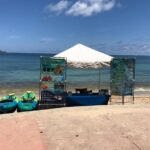
Bioluminescent Bay Kayaks, compared.
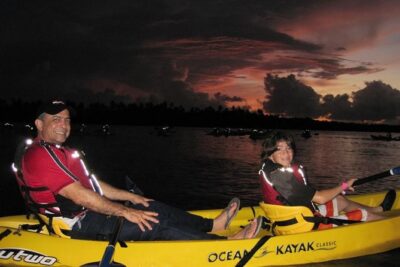 ★ 4.5Bio Bay Kayak Tour in FajardoFrom $891,762 reviews
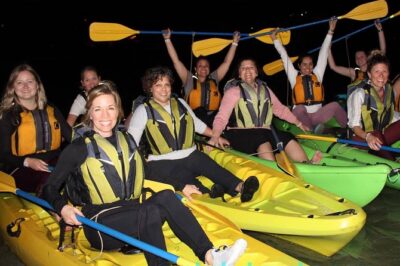 ★ 4.5Puerto Rico Bio Bay Kayak Adventure TourFrom $651,581 reviews
★ 4.5Bio Bay Kayak Tour in FajardoFrom $661,438 reviews
★ 4.5Puerto Rico Bio Bay Kayak Adventure TourFrom $651,581 reviews
★ 4.5Bio Bay Kayak Tour in FajardoFrom $661,438 reviews
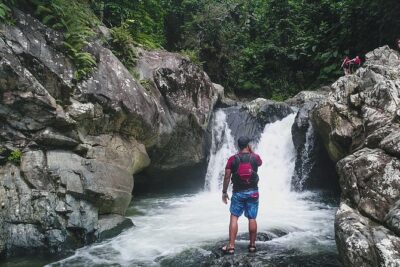 ★ 4.5Hike El Yunque Rainforest and Kayak Bio Bay Combo TourFrom $1721,010 reviews
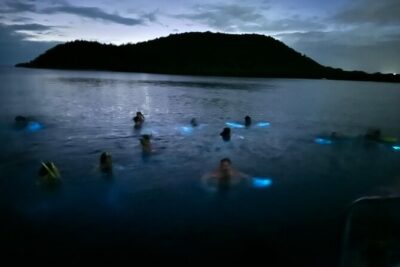 ★ 4.0La Parguera Bio Bay Boat Ride and Swimming w/ San Juan TransportFrom $54534 reviews
 ★ 4.5La Parguera Glowing Bioluminescent Bay Boat Tour from San JuanFrom $220314 reviews
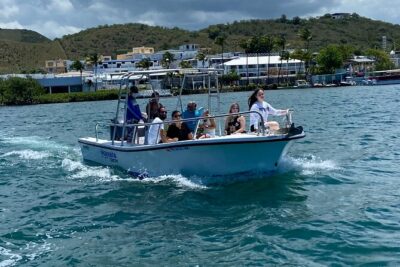 ★ 5.0Puerto Rico: Bio Bay Swim and Sunset Charter or Late night tourFrom $65258 reviews
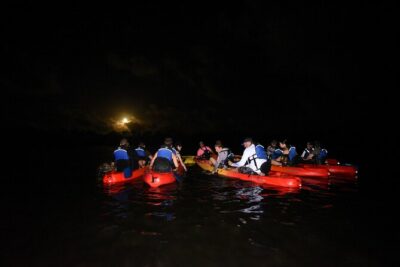 ★ 5.0Puerto Rico Sunset Magic: Bio Bay Kayaking Tour from FajardoFrom $66199 reviews
Browse the lists this tour appears in