Reviewed · SAN JUAN
Cabalgata Cruce de Los Andes Cruce Sanmartiniano
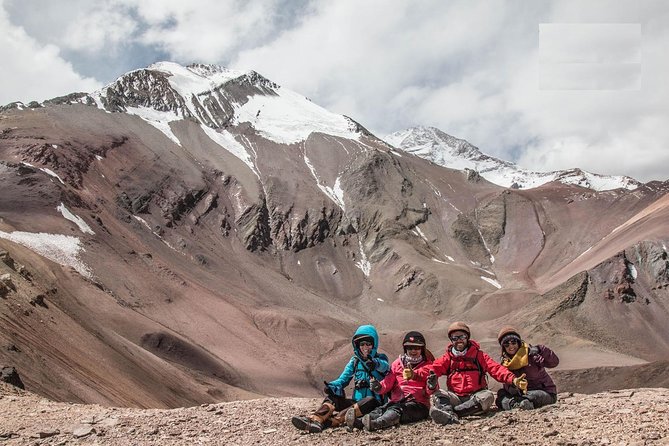
Your saddle becomes the story. This Cruce Sanmartiniano ride pairs San Martín route history with real mountain work: mule teams, baqueanos, and passes that can reach about 4,500 m, all with Cristian and the team guiding the rhythm of each day. What I love most is how the experience feels organized without feeling scripted, and how the camps make you slow down—star time becomes part of the deal. The main drawback to plan for is altitude and weather: even in summer, the cold and rough conditions can be serious, so you need to show up ready for a medium-to-high challenge.
You also get practical comfort layered into a true expedition: pickup is offered in San Juan, and you’re traveling with a max group size of 14 on a private departure (minimum 6). You’ll ride, camp, and eat outdoors most nights, and the tour keeps moving between Barreal, multiple cordillera valleys, and border-country viewpoints.
For the money, this is not a casual horseback trail. At $1,550 per person, you’re paying for logistics that are hard to do well: tents, carried camp gear, multiple meals, and the human network behind the mules and route knowledge.
In This Review
- Key highlights that make this ride worth your time
- Riding the San Martín story through San Juan’s high country
- Barreal Day 1: a calm base before the mules start moving
- 4×4 to the first puestos: where you meet the expedition rhythm
- Espinacito Pass (~4,500 m) on horseback: where the air changes everything
- Valle de Los Patos and Valle Hermoso: San Martín’s last camp feeling real
- The Chile border day: a rest day that still matters
- Paso La Honda (~4,350 m) and Manantiales: big views, careful steps
- What’s included (and what you’ll pay for yourself)
- Price and logistics: why $1,550 feels “high” until you see the work
- Who this tour suits best (and who should skip it)
- Weather, gear, and the “work of the mules” reality check
- Booking choice: should you book Cruce Sanmartiniano?
- FAQ
- How long is the horseback crossing?
- Where does the tour start and end?
- Do they pick me up in San Juan?
- What is the difficulty level?
- What season does it run?
- What’s the group size limit?
- Is it a private tour?
- What’s included in the price for meals?
- Do I need a passport?
- What age is it not recommended for?
- What if the weather is bad or the tour is canceled?
Key highlights that make this ride worth your time
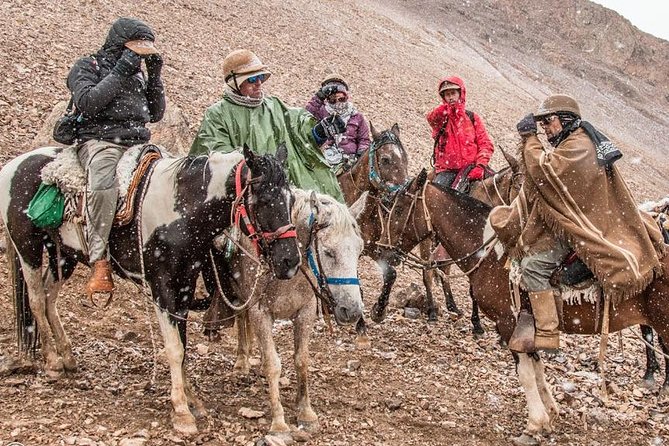
- San Martín’s historic route in real terrain, with camp stops tied to the Argentine-Chilean liberation story
- High passes like Espinacito (~4,500 m) and Paso La Honda (~4,350 m), where altitude changes everything
- Guides and baqueanos who manage horses, weather, and safety as a daily system
- Camping nights where the mountains run the schedule (you’ll notice the quiet fast)
- Wildlife sightings are part of the experience, including condors and guanacos when conditions line up
- A small private group (6–14 people), so you’re not stuck in a huge crowd
Still deciding? These San Juan trips book out fastest.
Riding the San Martín story through San Juan’s high country
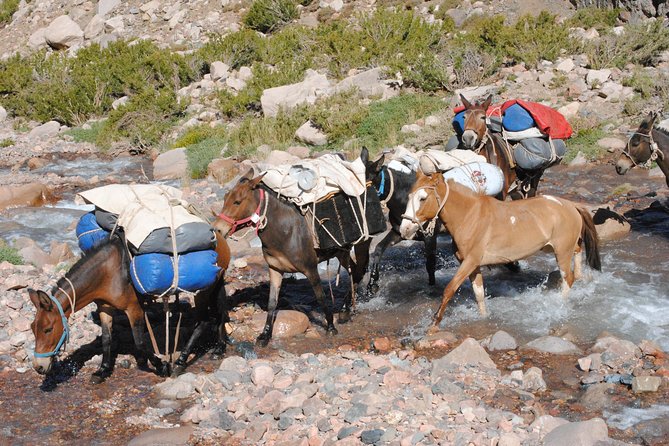
This is a horseback version of doing history the hard way. You’re not just looking at “Andes views.” You’re traveling through ravines, valleys, steps, and passes that match what San Martín’s troops used, so the terrain explains the campaign better than any museum label.
The trip starts with a city pickup and transfer to Barreal, plus a practical acclimatization day. That matters because the next days build altitude and ride time gradually, not in one dramatic jump. Summer (December to March) is the season listed, so expect longer daylight and generally more workable trail conditions than winter—but also expect changeable mountain weather.
Barreal Day 1: a calm base before the mules start moving
Day 1 is about getting your bearings and turning travel energy into expedition energy. You’ll be received in San Juan, transferred to Barreal, and check into lodging there. You get time for acclimatization, a team talk on logistics, and an equipment review.
This is the “make it easy later” day. If you’re the kind of person who shows up with gear that’s only half-ready, this is when you can fix that before you’re stuck in mountain conditions. Use this day to confirm everything fits you, stays dry, and is safe for riding.
Time is also built in for a little downtime. That sounds small, but after you do your first mule-led ride days, you’ll be grateful you didn’t spend every minute rushing.
4×4 to the first puestos: where you meet the expedition rhythm
On Day 2 you switch from road travel to cordillera travel. You’ll have breakfast, then take 4×4 vehicles up to the first cordillera puesto. Then comes one of the most important parts of any mule-supported horseback trek: you’re assigned to your mules, and you prepare them for the next movement.
After lunch outdoors, the riding starts through cordillera valleys bordered by Cerro La Ramada and Cerro Alma Negra. There’s also time for spotting native fauna. You’ll feel the day as a transition from “tour mode” to “expedition mode”: slower decisions, more attention to footing and weather cues, and a different sense of pace.
One practical note: even with the 4×4 portion, Day 2 is still active. Pack your energy for the whole day, not just the horseback portion. Your body notices the shift.
Espinacito Pass (~4,500 m) on horseback: where the air changes everything
Day 3 is the adrenaline and emotions day. You ride toward the Paso del Espinacito, reaching an estimated maximum of around 4,500 m. That height is a huge deal even if you’re fit, because it changes breathing, fatigue, and decision-making.
You’ll then reach the base camp area for the night—las Vegas de Gallardo—where the expedition shifts again from “climb” to “camp life.” Cena and night under the sky is part of the experience package, and it’s exactly what people remember later: the mountains, the dark, and the quiet after you’ve spent hours moving.
If you’re altitude-sensitive, you’ll want to treat this day with respect. Don’t try to prove anything. Go with the pace your guides set.
A few more ways to fill a day in San Juan:
- Top Rated El Yunque Rainforest & Waterslide – SmallGroup Tour★ 5.0 · 12,789 reviews
- Night Kayak – Condado City Lights Tour★ 4.5 · 4,807 reviews
- Authentic Flavors of San Juan Food Tour★ 5.0 · 4,741 reviews
- Small-Group El Yunque Rainforest Vivid Day Tour with Transport★ 5.0 · 2,747 reviews
Valle de Los Patos and Valle Hermoso: San Martín’s last camp feeling real
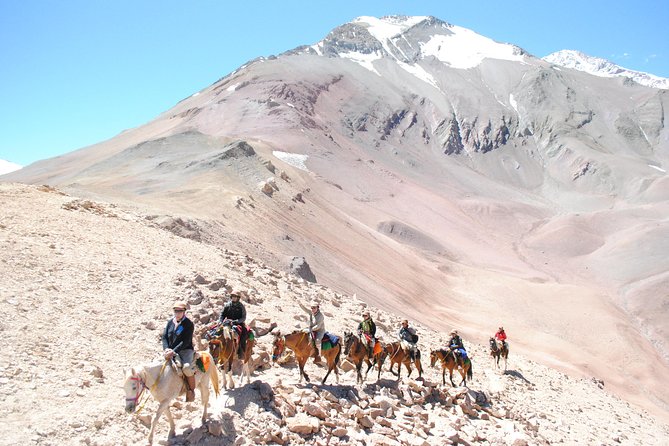
Day 4 brings a more historical, more human-feeling riding day. You continue toward Valle de Los Patos, then reach Valle Hermoso, described as the place where General San Martín camped with the army on the Argentine side.
You’ll ride with the river setting up the mood, then have dinner and spend the night close to the river in Valle Hermoso. This is a day where it’s easier to connect the dots: you’re moving through the same kind of environment that shaped camp decisions centuries ago—water, shelter, visibility, and the logic of marching.
Expect a day that feels less like a single “big moment,” and more like a chain of meaningful moments. The history angle works best when you slow down and pay attention to how terrain dictates choices.
The Chile border day: a rest day that still matters
Day 5 shifts the route toward the line between Argentina and Chile. You ride to the hito fronterizo límite argentino-chileno, then stop for rest.
This “in-between” day is useful because it lets your body catch up after the higher-energy pass day(s). It also gives your mind a break from constant movement. Rest days can feel optional on paper, but in practice they’re the difference between finishing strong and feeling wrecked on the final stretch.
The rest of the day is described as free. So bring your own strategy: hydrate, eat well, and take time to recover. Your best souvenir from this day might be a stronger body for Day 6.
Paso La Honda (~4,350 m) and Manantiales: big views, careful steps
Day 6 is a return ride with a new altitude target: you go back among arroyos de la cordillera and head to Rancho de Lata o Vega del Cura for the night.
Then on Day 7, breakfast happens before the bigger climb: ascension toward Paso La Honda at about 4,350 m. From there, you can observe the border line in Altas Cumbres, with the Cerro Aconcagua in view. You then reach Manantiales, transfer back to Barreal, and finish with a farewell dinner and a final night in cabañas.
This is where you learn the real meaning of “it’s a medium/high difficulty” label. Not only are you dealing with height; you’re also dealing with sustained effort, the need to stay balanced on horseback, and the fact that you’re living outdoors as part of the itinerary.
If you like dramatic viewpoints, this is your payoff. If you dislike slow, careful travel at elevation, you’ll feel it here. Plan to be patient.
What’s included (and what you’ll pay for yourself)
The trip includes camp basics and most of your food:
- Tents (carpas)
- Air-conditioned vehicle for transfers (where used)
- Lunches (6), breakfasts (5), dinners (7)
- Evening camp setup implied by included lodging structure (tents/camp + final night in cabañas)
What is not included:
- Evacuation aerial
- Drinks and dessert (explicitly not included)
Value-wise, this is priced like a real expedition rather than a weekend ride. You’re paying for the staff time, mule logistics, carried gear, and the number of meals delivered in remote places. If you’ve ever tried to DIY camp-carry food at altitude, you’ll understand why it costs what it costs.
Price and logistics: why $1,550 feels “high” until you see the work
At $1,550 per person for about 7 days / 7 nights, you’re not paying mainly for scenery. You’re paying for the system that makes that scenery accessible: mule handling, route management, camp operations, and meals for multiple days.
The small group size (max 14) also matters. It keeps the operation controllable and helps guides and baqueanos manage horses, timing, and safety without a circus atmosphere.
My balanced take: if you want comfort-first travel, this won’t match your style. If you want a trip where history feels physical and you’re okay trading soft routines for authentic mountain life, the price can make sense fast.
Who this tour suits best (and who should skip it)
This one fits travelers who like effort, cold nights, and “living outside” for several days. The tour is listed as medium/high difficulty, and it’s not recommended for children aged 12 and under.
It also suits you if you want:
- A guided experience with Cristian and team support
- The mule-and-baqueano reality (not just riding once or twice)
- Small-group pacing and a private departure feel
- A route tied to San Martín’s liberation story, not a generic trail ride
If you’re very sensitive to altitude, have limited stamina for long days, or you expect predictable comfort and amenities, you’ll likely find this harder than you want.
Weather, gear, and the “work of the mules” reality check
The tour states it operates in all weather conditions, and you should dress appropriately. That doesn’t mean it’s unpleasant in a careless way—it means you should treat the forecast as part of the plan, not a reason to panic.
The mules and the baqueanos are the engine behind the ride. You’ll feel that daily work: where the animals step, how the camp is managed, and how the guides adjust route decisions. This is one of the reasons the experience feels safer and more respectful than many self-guided outdoor tours.
A simple but important suggestion: pack for dryness, warmth, and ride comfort. Then pack again for mountain wind and temperature drops after sunset. At elevation, the air gets serious.
Booking choice: should you book Cruce Sanmartiniano?
Book it if you want a horse expedition that mixes historic San Martín route storytelling with the real physical experience of the Andes—passes, camps, and the daily rhythm of mules, guides, and baqueanos. Based on the consistently high satisfaction with service and professionalism, this is the kind of trip where good guidance makes the difference between a hard trip and a memorable one.
Skip or reconsider if you’re chasing easy photos with minimal effort, if altitude makes you unwell, or if you want a fully comfort-style itinerary. This is an expedition. If you accept that up front, you’ll likely love how the days change you.
FAQ
How long is the horseback crossing?
The trip is listed as about 7 days (approx.) with 7 nights.
Where does the tour start and end?
It starts in San Juan, Argentina, and ends back at the meeting point.
Do they pick me up in San Juan?
Pickup is offered, and the expedition begins with reception in the city of San Juan.
What is the difficulty level?
It’s listed as medium/high difficulty, and you should have a moderate physical fitness level.
What season does it run?
It runs in summer, December through March.
What’s the group size limit?
The booking allows a maximum of 14 people, with a minimum of 6 people required per booking.
Is it a private tour?
Yes. It’s described as a private tour/activity, with only your group participating.
What’s included in the price for meals?
The tour includes 6 lunches, 5 breakfasts, and 7 dinners, plus tents (carpas).
Do I need a passport?
Yes. A current valid passport is required on the day of travel.
What age is it not recommended for?
It’s not recommended for children aged 12 and under.
What if the weather is bad or the tour is canceled?
The tour requires good weather. If it’s canceled due to poor weather, you’ll be offered a different date or a full refund.
If you tell me your riding experience (and whether altitude has ever bothered you), I can help you judge whether this one is a great fit or a tough match.